



![[HERO] Beyond the Bullet: Why Every CCW Holder Needs Tactical Medical Training](https://cdn.marblism.com/YctFdYlawpb.webp)
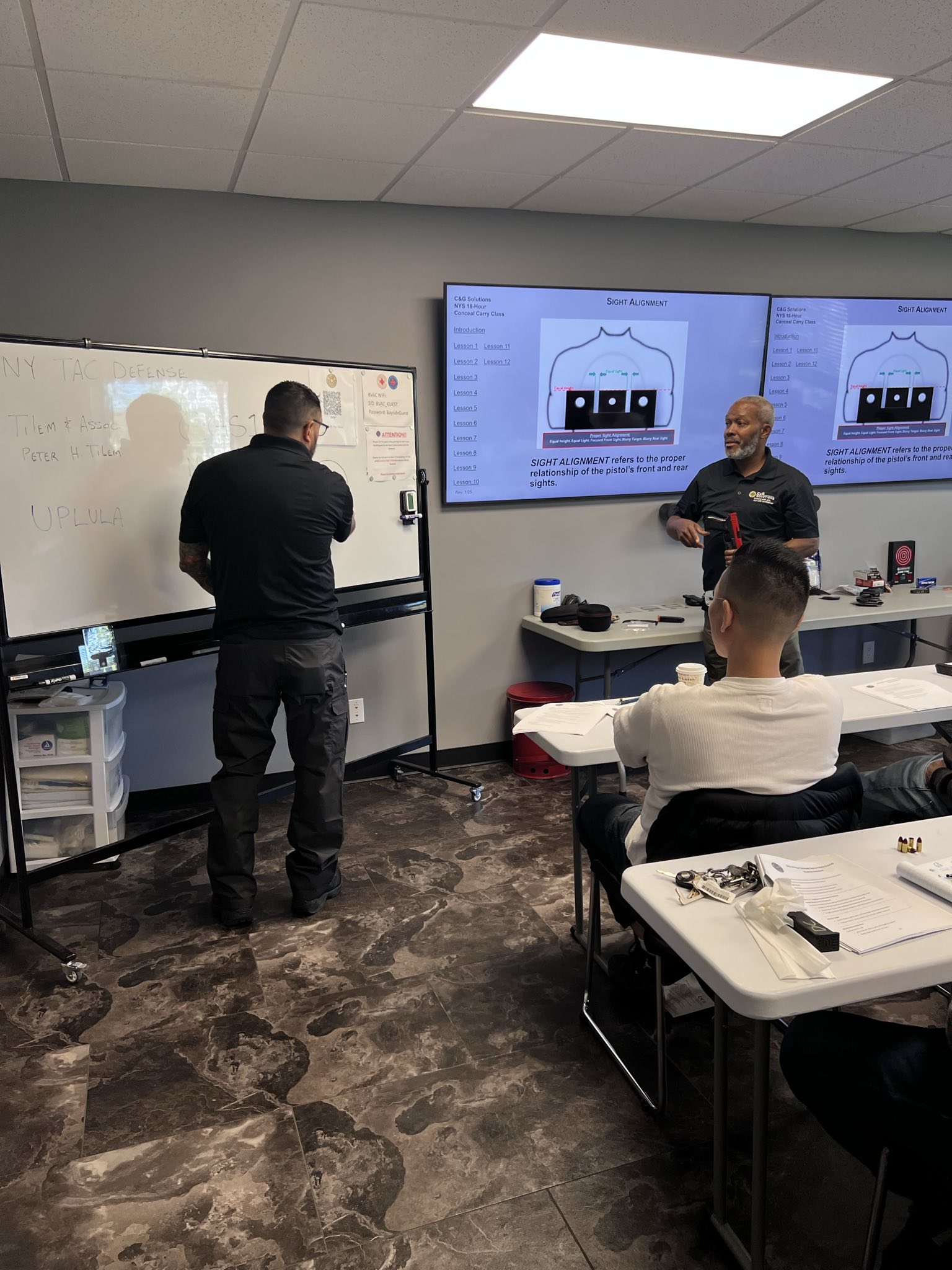
For many New Yorkers, navigating the maze of requirements for a handgun license feels like an uphill battle. You’ve spent hours researching, waited months for appointments, and finally sat through the NYS 18-hour pistol course. You’ve learned how to safely handle your firearm, the legalities of "sensitive locations," and how to properly press the trigger to the rear to ensure accuracy.
But here is the hard truth most instructors won't lead with: if you are ever in a situation where you have to use that firearm to defend your life, the "fight" doesn't end when the last shot is fired. In fact, for many, the most critical part of the encounter is just beginning.
A firearm is a tool to stop a threat. But once that threat is stopped, you are left with a scene that likely involves traumatic injury: to the attacker, to a bystander, or even to yourself. Most people think that "safety" ends with a holster and a locked safe. As retired law enforcement officers at C&G Solutions, we know better. Firearms proficiency and medical competency are two sides of the same coin. Carrying a gun without carrying the knowledge to fix the holes it (or another weapon) makes is only doing half the job.
Most "standard" first aid courses teach you how to put on a Band-Aid, perform CPR on a heart attack victim, or help someone choking in a restaurant. While those are vital skills, they are woefully inadequate for a tactical environment. When we talk about "tactical medical training," we aren't just talking about first aid; we are talking about life-saving interventions under extreme stress.
Navigating the aftermath of a violent encounter is a chaotic, high-stakes puzzle. This is where the Citizen First Responder course at C&G Solutions bridges the gap. It moves beyond the classroom theory of your initial firearm safety course NYC requirements and into the gritty reality of trauma management.
In the old days of emergency medicine, everyone was taught the "ABCs": Airway, Breathing, and Circulation. While that works for a medical ward, it’s outdated for trauma. In a tactical scenario, the leading cause of preventable death isn't a blocked airway: it’s massive hemorrhaging (bleeding out).
The professional standard used by tactical medics and LEOs today is the MARCH mnemonic. It prioritizes treatments based on what will kill a person the fastest.
Understanding what to do is only half the battle. You also need to know when to do it. Tactical medicine is broken down into three distinct phases. Failing to recognize which phase you are in can lead to costly mistakes.
This is the most dangerous phase. The "threat" is still active. In this phase, your medical kit is secondary to your firearm. As we emphasize in our private pistol coaching, your primary goal here is to stop the threat or find cover. The only medical treatment performed during CUF is the application of a tourniquet to a limb for life-threatening bleeding: and usually, the patient (you) is doing it to themselves.
The threat is gone, or you are in a position of relative safety (behind cover). Now, you can run the full MARCH algorithm. This is where you'll be doing wound packing and applying chest seals. You are still in a "tactical" environment, meaning you need to keep your head on a swivel.
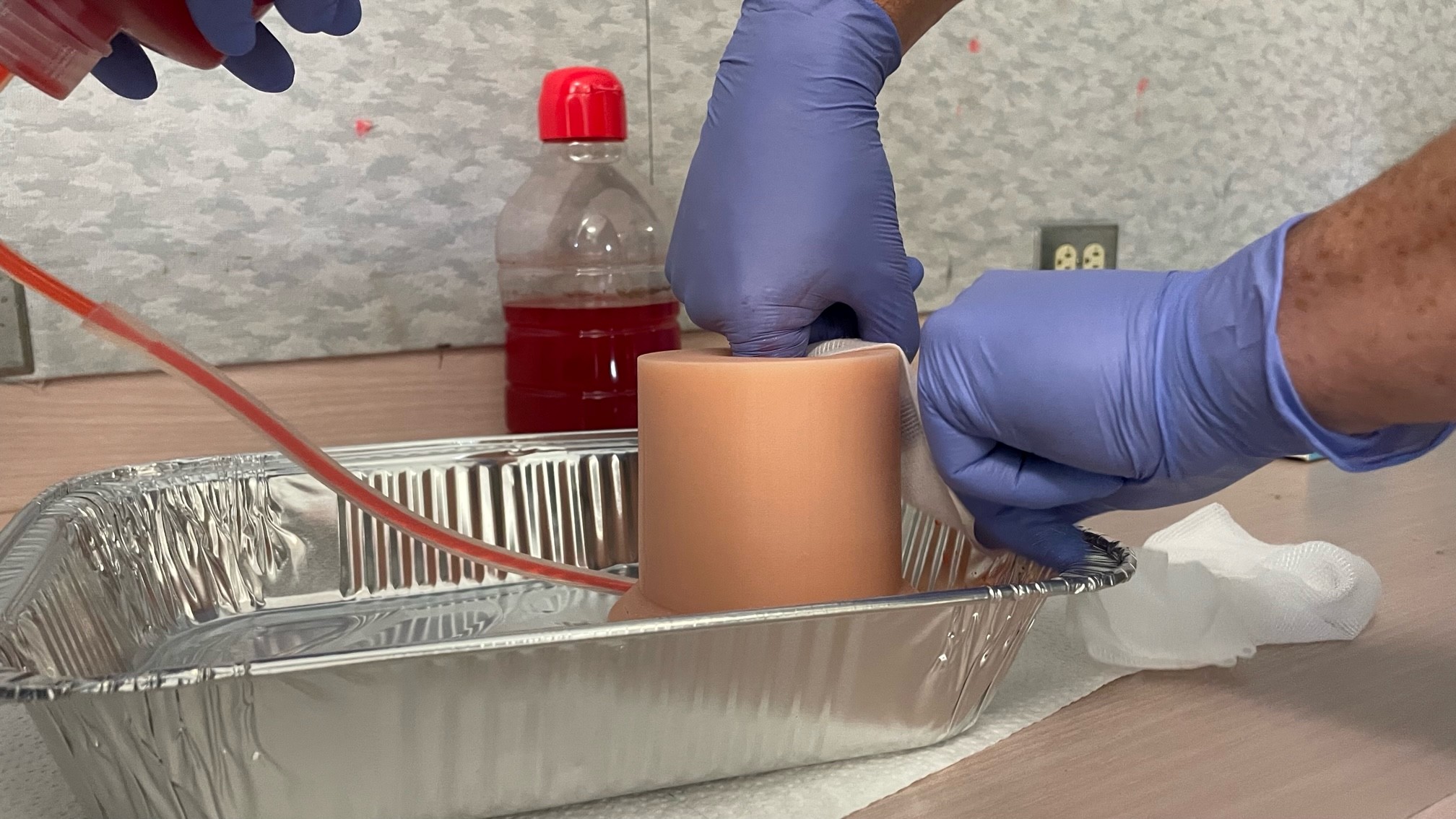
This is the phase where you are handing the patient over to EMS or moving them to an ambulance. Your job here is to provide a clear report of what happened and what interventions you’ve already performed.
You wouldn't carry a firearm without ammunition, and you shouldn't carry one without an Individual First Aid Kit (IFAK). But don't be fooled by "tacti-cool" kits sold online that are filled with fluff. A real IFAK for a CCW holder should be lean, high-quality, and accessible.
At our facility at Mariners Cove, 3615 Oceanside Road, Oceanside, NY, we show students exactly how to stage this gear. Your kit should include:
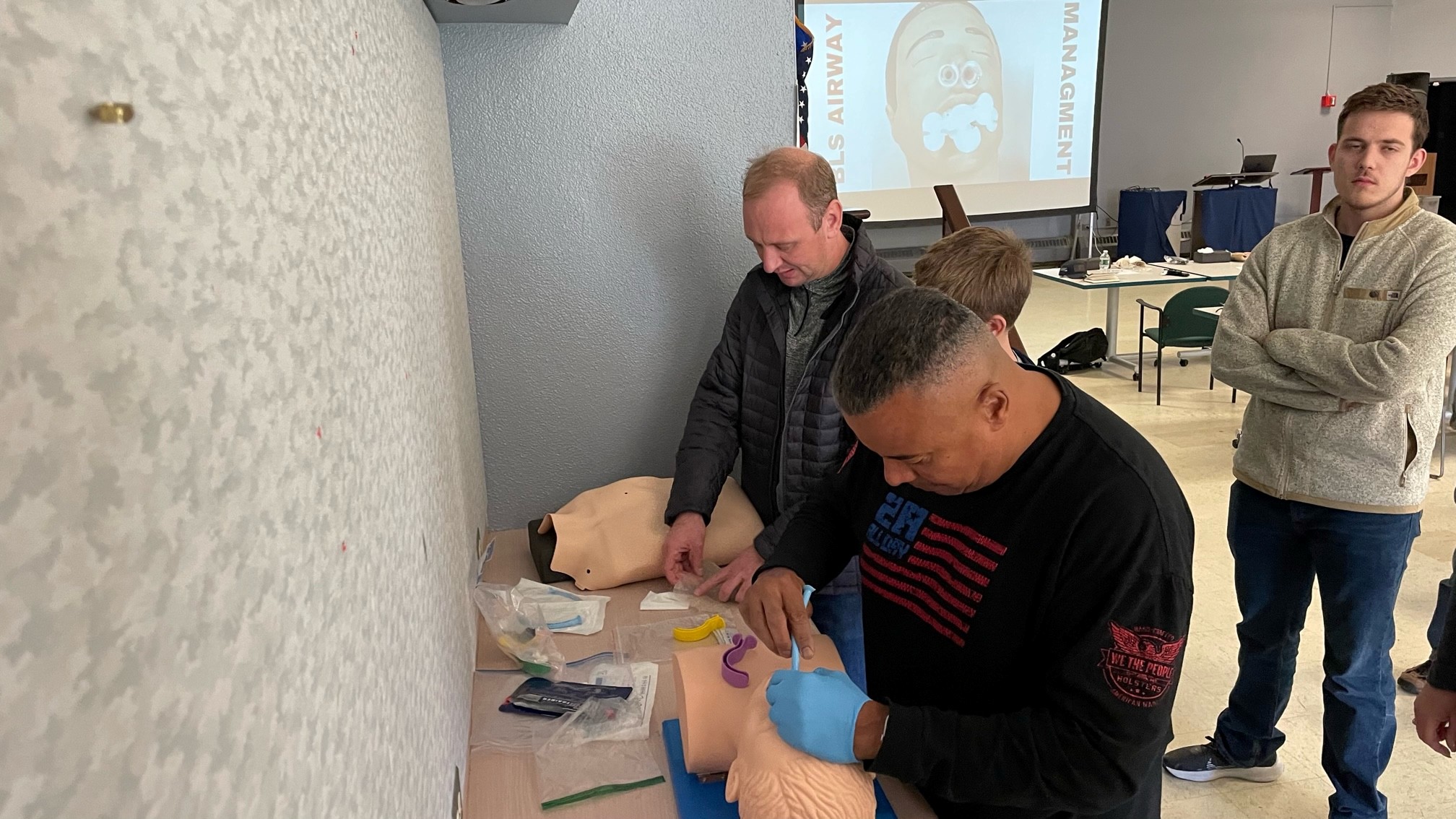
Most people think, "I'll just call 911." We love our brothers and sisters in EMS, but they are often staged blocks away until the police declare a scene "safe." In a trauma situation, those five to ten minutes of waiting are the difference between a survivor and a statistic.
When you take a firearm safety course NYC requires, you are fulfilling a legal obligation. When you take a Citizen First Responder course, you are fulfilling a moral one. You are ensuring that if the worst happens, you have the skills to preserve life: including your own.
Training in a judgment-free zone with instructors who have actually used these skills in the field (like our team of retired LEOs) changes your mindset. You stop being a "person with a gun" and start being a prepared citizen. Your confidence will soar because you aren't just relying on luck; you're relying on a proven system.
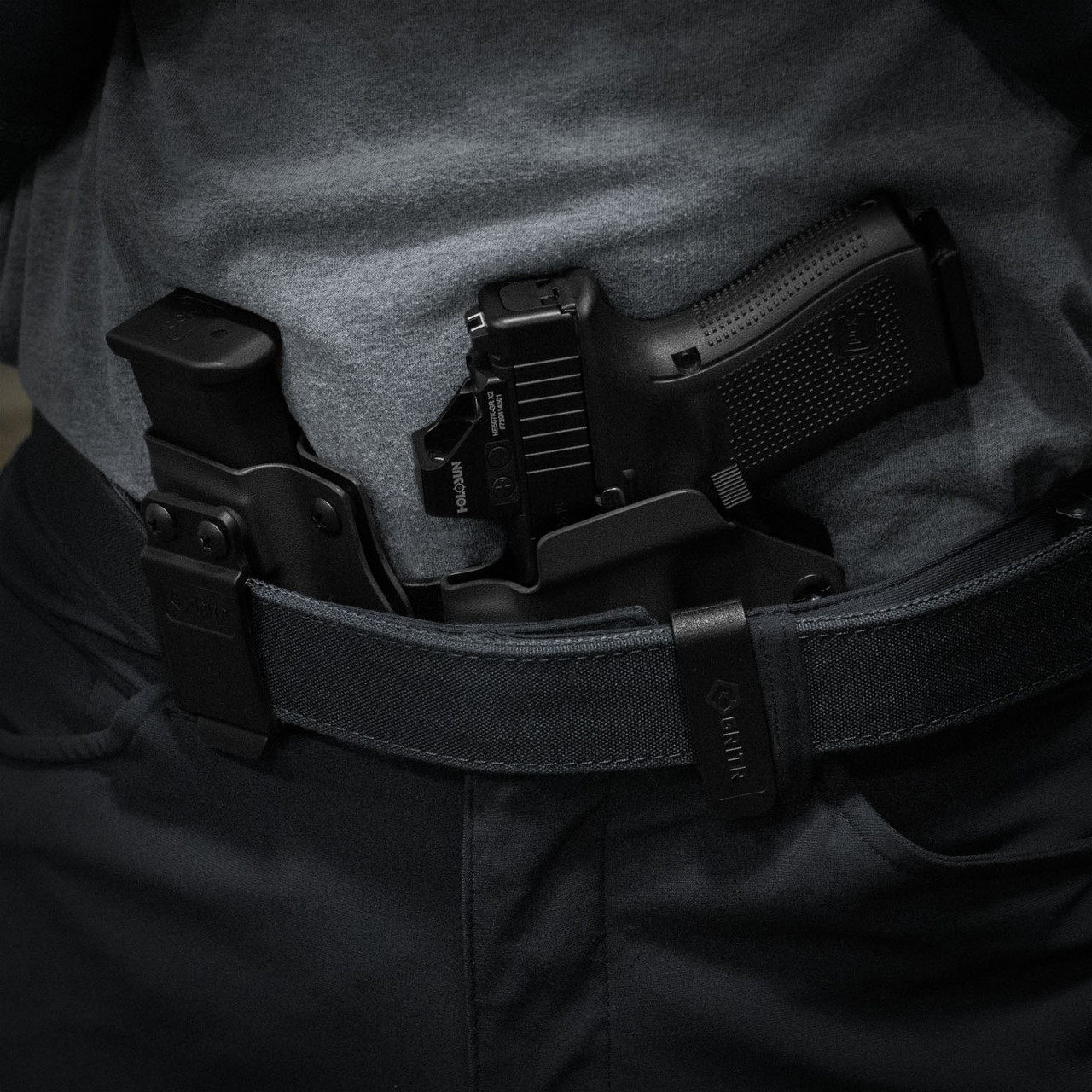
The responsibility of carrying a concealed weapon in New York is heavy. It requires constant practice, from refining your draw to perfecting your press to the rear on the trigger. But don't let your training be one-dimensional. Expand your "tool kit" to include the medical skills that are statistically more likely to be used than your firearm itself.
Whether you are looking for NYS DCJS pistol qualification coaching or you want to dive deep into trauma care, we are here to guide you. True safety isn't just about the hardware you carry on your belt; it’s about the software you carry in your head.
Defend with skill, Act with confidence.*
Did you find this guide helpful? Share it with your fellow CCW holders! Awareness and education are the best ways to keep our community safe. For more information on our upcoming Citizen First Responder courses in Oceanside, NY, contact us today.

Well-Taught, Well-Trained
Safety always comes first. We teach proper firearm handling to help prevent accidents and encourage responsible ownership.