


Firearm training covers more than just shooting skills. Knowing medical emergency skills can make the difference when seconds count.
If you carry a firearm, you need to be ready to handle injuries safely and confidently. This guide breaks down key lifesaving techniques every responsible gun owner should master. Learn more about the importance of medical training for firearm owners here.
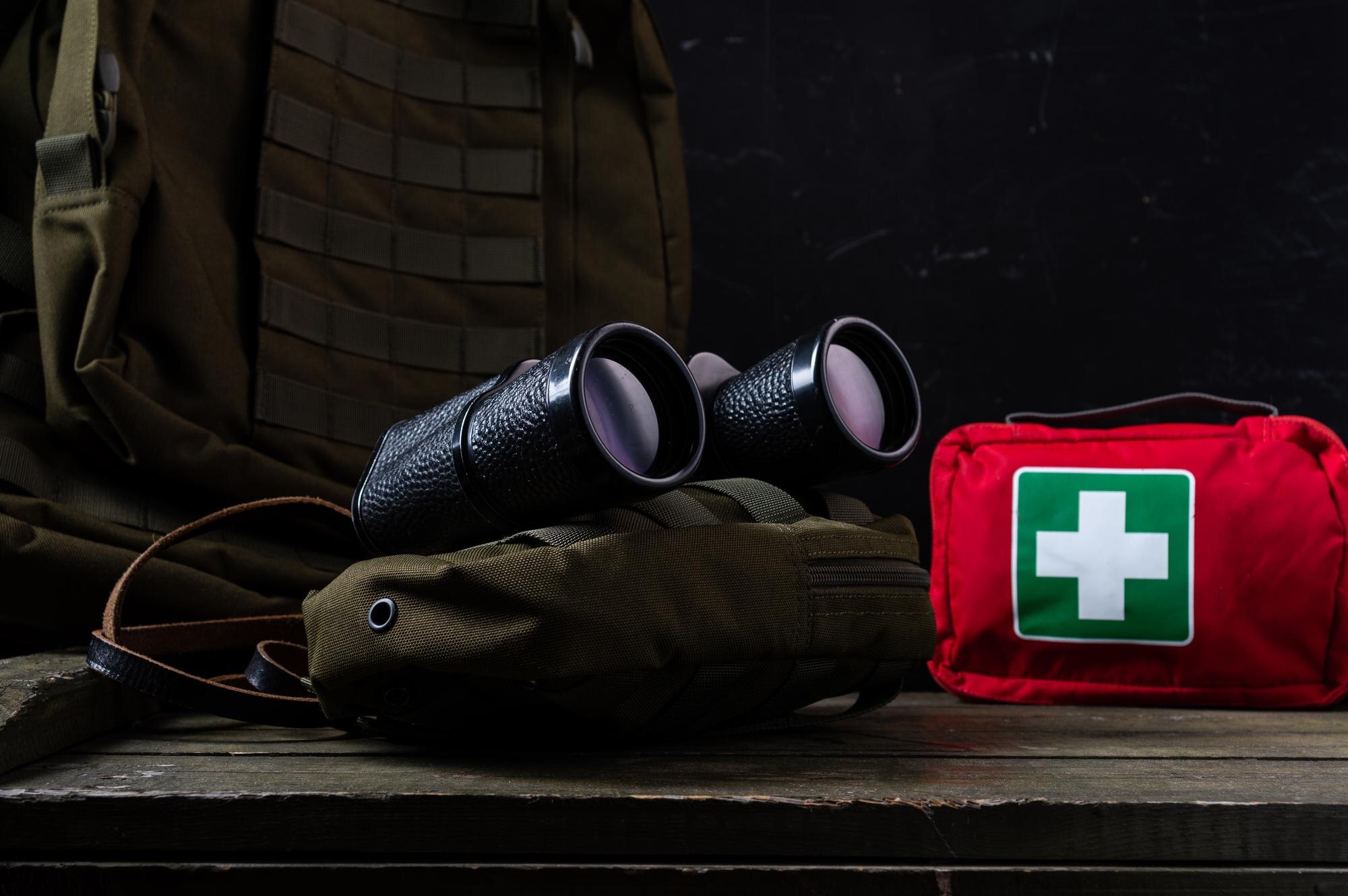
When you carry a firearm, being prepared isn't just about marksmanship. It's about readiness to respond to any situation, including medical emergencies.
First aid knowledge is crucial for everyone, especially those who handle firearms. It helps you react quickly and effectively in emergencies. Imagine you're at the range and someone gets hurt. Knowing how to stop bleeding or perform CPR can make all the difference.
Stop the Bleed: This simple skill can save lives. Learn to apply pressure and use a tourniquet if needed.
CPR Basics: Keep the heart pumping until professional help arrives. It's a critical skill everyone should master.
Tactical Combat Casualty Care (TCCC) is more than just first aid. It's a specialized approach for high-risk situations, teaching you to care for injuries while under threat.
Assess the Situation: Quickly determine if it's safe to provide aid.
Apply TCCC Techniques: Focus on hemorrhage control and airway management.
Understanding TCCC prepares you for complex scenarios where basic first aid may not suffice. This level of training is essential for anyone serious about comprehensive emergency preparedness.
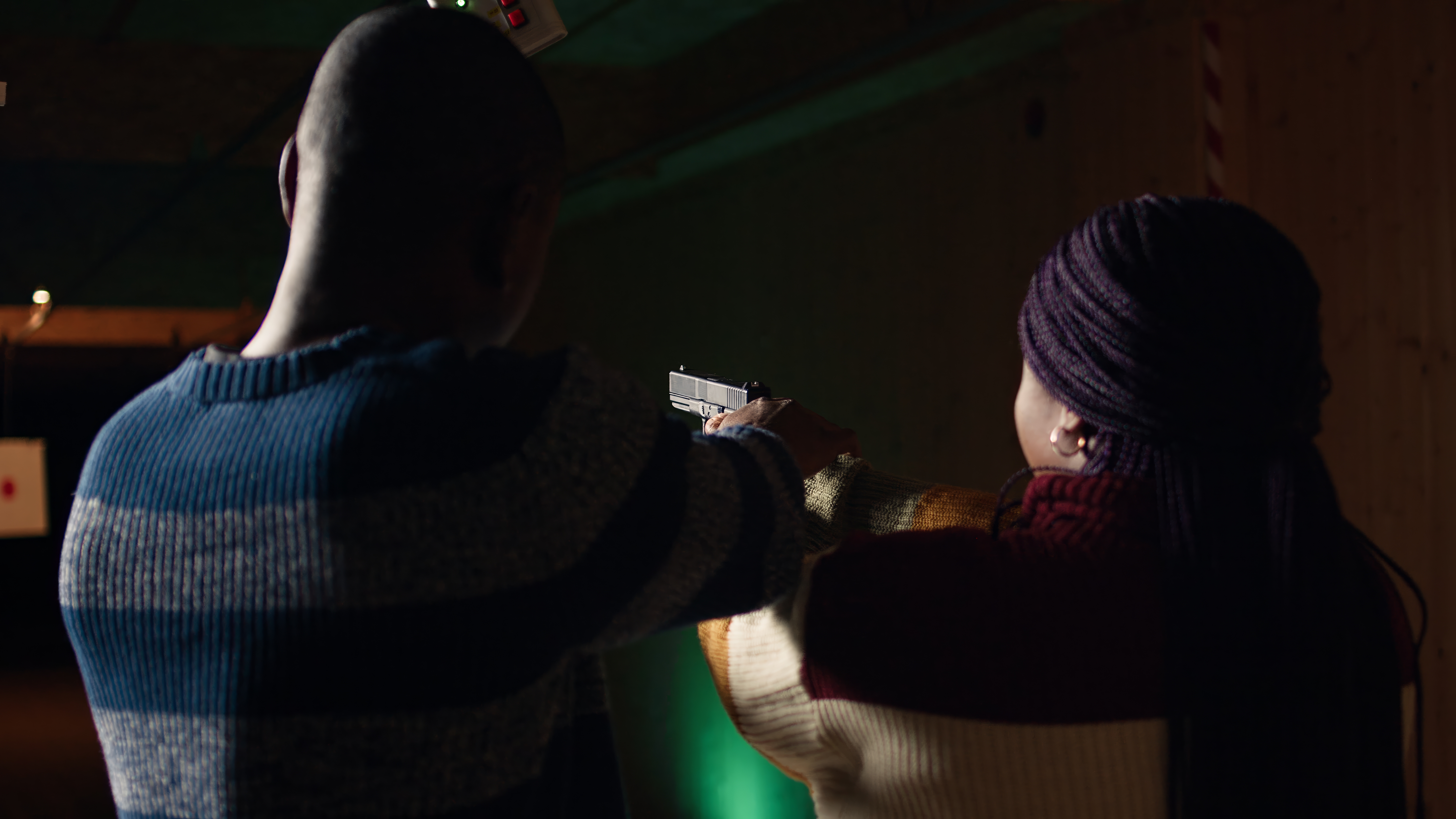
Being a responsible firearm owner means mastering specific lifesaving skills. These skills ensure you're ready to act when things go wrong.
Severe bleeding can be life-threatening if not addressed immediately. Knowing how to manage it is vital.
Direct Pressure: Apply firm pressure to the wound to slow or stop the bleeding.
Use a Tourniquet: If the bleeding doesn't stop, a tourniquet might be necessary. Place it above the wound and tighten until the bleeding stops.
In many situations, the ability to control bleeding can save a life. For more insights, see this article on lifesaving skills for gun owners.
Shock can follow a traumatic injury, affecting vital functions. Recognizing the signs early is key.
Symptoms: Look for confusion, pale skin, or rapid breathing.
Treatment: Keep the person warm and still. Elevate their feet if possible, and reassure them until help arrives.
Understanding and addressing shock swiftly can significantly impact outcomes in emergency situations.
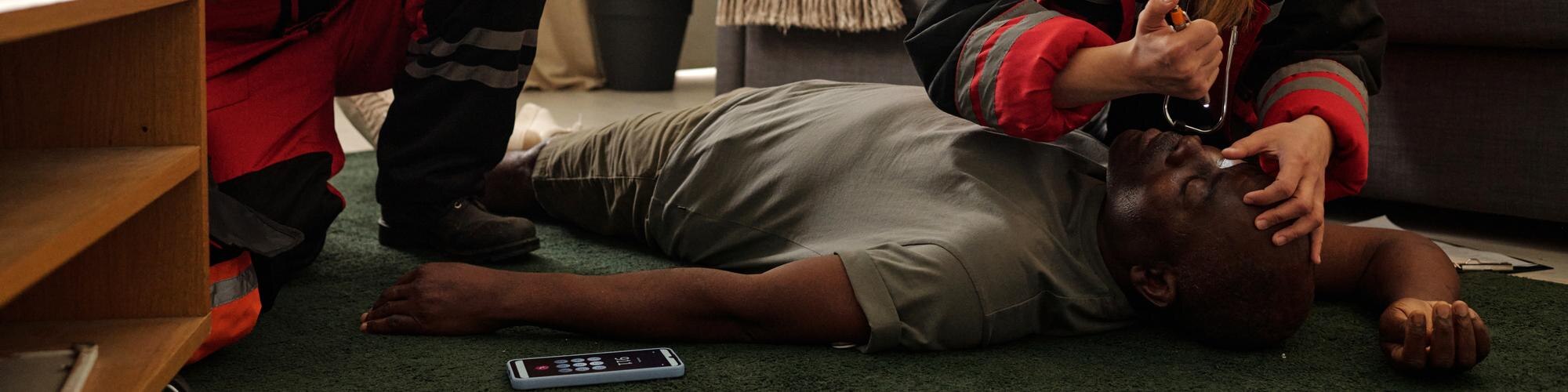
To be truly prepared, integrating medical skills with firearm training is essential. It builds a comprehensive skill set that enhances your readiness.
A first responder course provides in-depth training on handling emergencies effectively. It's a step beyond basic first aid, offering hands-on experience.
Real-World Scenarios: Practice in controlled, realistic environments.
Comprehensive Coverage: Learn about trauma care, CPR, and more.
These courses build confidence and competence, making you ready for any situation. Explore more about tactical medicine and emergency kits here.
Combining firearm safety with medical training creates a well-rounded skill set. It ensures you're not just a responsible gun owner but also a prepared first responder.
Holistic Approach: Address both prevention and response.
Skill Synergy: Use your firearm skills and medical knowledge in tandem for maximum safety.
This integration prepares you for any challenge, emphasizing the importance of preparedness in every scenario. Learn more about this vital combination at Citizen First Responder Course.
By mastering these skills, you're not just protecting yourself—you're also safeguarding others. The longer you wait, the less prepared you are. Start your journey to becoming a well-rounded, responsible firearm owner today.

Well-Taught, Well-Trained
Safety always comes first. We teach proper firearm handling to help prevent accidents and encourage responsible ownership.