




New York's concealed carry permit rules demand more than paperwork—they require real skill and knowledge.
If you're serious about carrying in NYC, understanding concealed carry laws and completing proper firearm safety training is essential. This guide breaks down what you need to know and how our NYS CCW course prepares you to carry responsibly and confidently. For more information, visit this link.
Securing a concealed carry permit in New York requires more than just filling out forms. It's about understanding the process and knowing your responsibilities. Here's what you need to know to get started.
The overall process for obtaining a permit follows a general structure, but the exact requirements can vary significantly depending on your city or county. It is essential to consult your local licensing authority to understand how your jurisdiction handles applications and what steps you must follow. This is especially important because the process is notably different in New York City, Nassau County, Suffolk County, Westchester County, and many counties farther upstate.
In most jurisdictions, the process begins by submitting an application through the New York State Pistol Permit Recertification website or directly to your county’s permitting office. After submitting your application, many counties require a formal interview with local law enforcement. This interview is a structured review of your background and your stated reasons for seeking a permit.
If your application is approved at the local level, you will be required to complete the mandatory 18-hour NYS CCW course, which includes firearm safety, legal instruction, and live-fire training.
Although the path is generally clear, it requires diligence and an understanding that every jurisdiction handles the process differently. By checking with your specific county or city—especially if you live in NYC, Nassau, Suffolk, Westchester, or any of the more northern counties—you ensure that you follow the correct procedures and move through the permit process efficiently and responsibly.
Owning a firearm brings serious obligations. As a permit holder, knowing the law is your duty. This means understanding where you can and cannot carry. In New York, specific areas remain off-limits even with a permit. Ignoring these rules can lead to severe consequences, including revoking your permit. It's also vital to know the proper way to store and transport your firearm. Safe storage prevents unauthorized access and accidents. Practicing these responsibilities daily reinforces your commitment to safety. Remember, understanding the legal aspects of carrying a firearm protects you and those around you.

Training and certification go hand in hand with responsible firearm ownership. They ensure that you not only know how to handle a firearm, but also understand the importance of doing so safely.
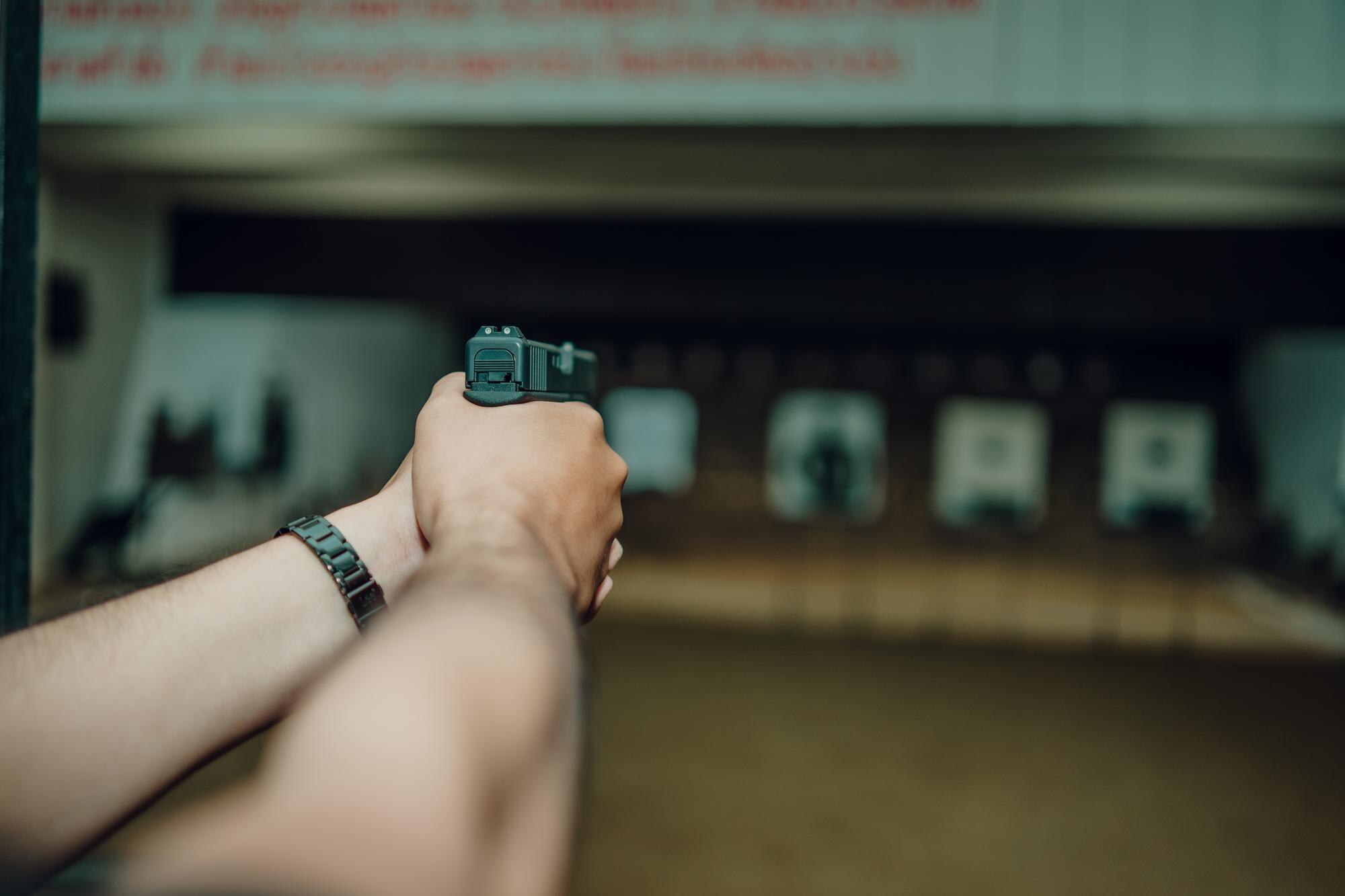
Why is firearm safety training so crucial? Firstly, it boosts confidence. Knowing how to handle a firearm safely reduces anxiety. You learn the correct way to hold, aim, and shoot. This training also highlights the importance of understanding your firearm. You become familiar with its parts and how they work together. Safety training isn't just about handling your firearm; it's about knowing when to use it. You gain insights into scenarios where drawing your weapon is appropriate. This knowledge is invaluable. It provides a foundation of safety and responsibility that every gun owner should have.
The NYS CCW course is a comprehensive program designed to prepare you for real-world situations. It includes 16 hours of classroom instruction and 2 hours of live-fire training. Topics cover everything from basic firearm safety to legal considerations and conflict management. This course ensures you understand not just how to use a firearm, but when and why. Participants also receive a certificate upon completion, which is required for your concealed carry application. The course is structured to build your competence and confidence, setting you up to carry responsibly.
Understanding NYC gun laws is essential for any permit holder. These laws can be complex, but knowing them is crucial to avoid legal issues.
In NYC, concealed carry laws are stringent. They dictate where you can carry and under what circumstances. For example, carrying in federal buildings, schools, and public transportation is typically prohibited. Failure to comply with these laws can result in serious penalties. It's important to stay updated, as laws can change. Regularly reviewing resources like The City can help you stay informed. Understanding these laws is not just about compliance; it's about ensuring the safety of yourself and others.
Compliance with NYC gun laws means more than just knowing them. It involves adhering to them consistently. Enforcement is strict, and violations can lead to severe consequences. This includes fines or even losing your permit. To avoid these issues, always review the latest guidelines and participate in regular training. This commitment to compliance demonstrates your dedication to responsible gun ownership. It's about trust—proving that you understand and respect the laws that govern firearm use.
In summary, navigating New York's concealed carry permit landscape requires dedication and knowledge. By understanding permit requirements, the importance of training, and the intricacies of NYC gun laws, you position yourself as a responsible and informed firearm owner. Stay proactive, keep learning, and remember that responsible ownership is a continuous journey.

Well-Taught, Well-Trained
Safety always comes first. We teach proper firearm handling to help prevent accidents and encourage responsible ownership.