From the C&G training journal. Dates, prices and promotions mentioned in this article reflect its original publication. Check current class dates and course requirements before registering. Requirements and laws can change; confirm current instructions with the relevant licensing authority.
The NYS pistol permit requirements read like a short list: an application, a background check, references, and 18 hours of training. Then you reach the part nobody warns you about, which is that those same requirements are administered by four different authorities across New York City, Nassau, Suffolk and Westchester, and each one wants the paperwork in a different order.
This guide covers what the NYS pistol permit requirements actually are, what the training has to include, and which steps cost applicants the most time. Where the law is settled we point to it: New York Penal Law Section 400.00 governs licensing, and the DCJS minimum standards for firearm safety training set the curriculum every approved course has to meet.
Understanding Permit Requirements
The statewide part of the NYS pistol permit requirements is fixed: you must be 21 or older, with narrow exceptions for certain protected categories, pass a background investigation, submit character references, complete the required training, and show that nothing in your record prohibits you from possessing a firearm. Everything past that list belongs to your licensing officer, not to Albany.
Steps to Obtain a Permit
The overall process for obtaining a permit follows a general structure, but the exact requirements can vary significantly depending on your city or county. It is essential to consult your local licensing authority to understand how your jurisdiction handles applications and what steps you must follow. This is especially important because the process is notably different in New York City, Nassau County, Suffolk County, Westchester County, and many counties farther upstate.
In New York City the application goes to the NYPD License Division. In Nassau and Suffolk it goes to the county police department pistol license section, and in Westchester to the county clerk and the licensing officer. Most of these authorities then schedule an in-person interview and fingerprint appointment, which reviews your background, your references, and your stated reason for wanting a permit.
Training is where applicants most often get the sequence wrong. The mandatory 18-hour course is not the last box you tick after approval. Most licensing authorities expect it to be done before or during processing, and in New York City it is effectively the first step. Treat the course as step one and the paperwork stops stalling.
The practical advice is to confirm the order with your own licensing authority before you spend money. Call the pistol license section, ask two questions, and write down the answers: does the training certificate have to be submitted with the initial application, and how long is a certificate valid before it expires. Those two answers decide whether you book a class this month or next.
Legal Responsibilities and Obligations
A permit is a legal status you have to keep earning. It means knowing the justification rules under Article 35, understanding that a list of sensitive and restricted places exists where a licensed carrier still cannot bring a firearm, and knowing how to store and transport a handgun legally. None of that is optional, and none of it is intuitive for a first-time applicant. It is taught, which is the point of the training requirement.
Importance of Training and Certification
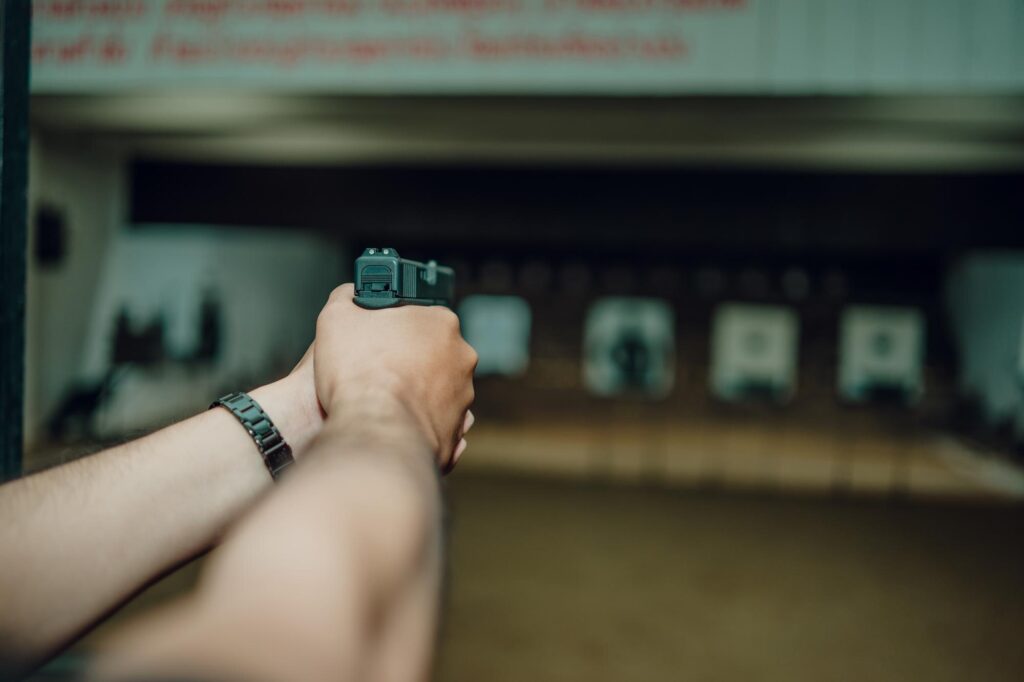
Training and certification are not paperwork formalities bolted onto the NYS pistol permit requirements. They are the only part of the process that changes what you can actually do. The rest of the application establishes who you are and whether you are allowed; the course establishes whether you can handle a firearm safely around other people.
Benefits of Firearm Safety Training
Good instruction does three things that reading alone cannot. It replaces nerves with a routine, because a beginner who has a fixed sequence for loading, unloading and clearing a malfunction stops improvising. It builds honest familiarity with the firearm, so you know how your specific pistol behaves when it is empty, when it is loaded, and when something goes wrong. And it teaches judgment, which is the part most applicants underestimate: the law does not ask whether you could shoot, it asks whether you were justified, and that question is answered in the seconds before anyone touches a trigger.
Overview of the NYS CCW Course
The New York State course is 16 hours of classroom instruction plus 2 hours of live fire, and it is the same 18 hours that every approved instructor teaches to statewide minimum standards. Our classroom time covers firearm safety and handling, the legal framework including Article 35 justification and the restricted locations list, conflict management and de-escalation, and the decision-making that has to happen before force is ever considered. The live-fire portion is not a formality either: you have to demonstrate safe handling and a qualification standard before the certificate is signed. The course is $350.00, a $100.00 deposit holds your seat, and we teach it in our Oceanside classroom and our Whitestone classroom.
Navigating NYC Gun Laws
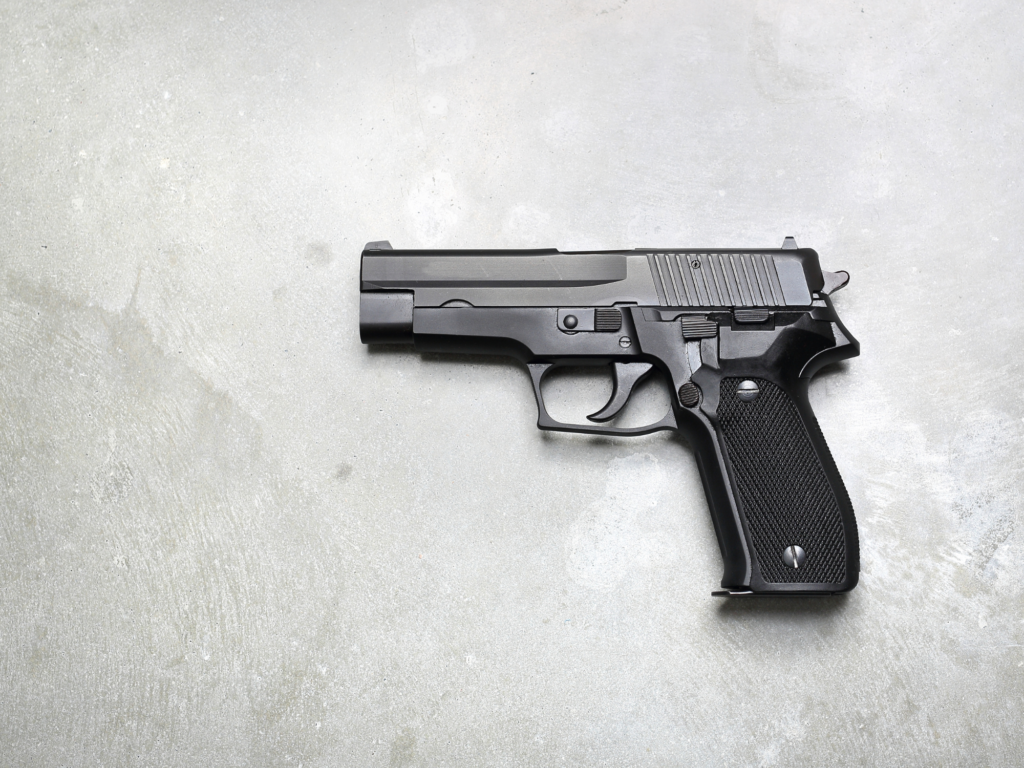
NYC gun laws are stricter than the rest of the state, and this is where new license holders get into trouble without meaning to. The permit is statewide in principle, but the city administers its own licensing and adds its own restrictions on top of state law.
Key Concealed Carry Laws
The restricted locations list is long and it is not a list of suggestions. Schools, government buildings, courthouses, polling places, public transit, and a wide range of private businesses that post signage are all off limits to a licensed carrier, and the signage requirement cuts both ways: a business that posts is telling you something you are legally bound to respect. Penalties for carrying into a restricted place are separate from any criminal charge and can cost you the license itself. The state maintains a plain-language FAQ on the concealed carry law that is worth reading once a year, because the list has been amended more than once since it was written.
Compliance and Enforcement Guidelines
Compliance is a habit, not a one-time reading. The license holders who stay out of trouble are the ones who check before they walk into a building, who leave the firearm at home when the day involves a school event or a courthouse, and who re-read the restricted locations list when it changes. Enforcement is taken seriously, and a single careless carry into a prohibited place can end the license you spent months obtaining.
What Training Costs and Where We Teach It
The 18-hour NYS pistol permit course is $350.00, and a $100.00 deposit holds your seat. If you already hold a license, the 2-hour renewal is $150.00 plus range fees. Qualified retired law enforcement officers can complete HR-218 qualification with us for $100.00 by calling or texting to schedule.
We teach in our Oceanside classroom and our Whitestone classroom, and our team brings over 130 years of NYPD and EMS combined experience to every class. Chris Goemans brings more than 30 years of his own in EMS, teaching and security. Bring a friend who has not trained yet and both of you get $50 off your balance, with your friend naming you in the comment section when they register.
Applicants no longer have to disclose their social media history as part of the process, which removed one of the more confusing steps from the old application. The training requirement itself has not changed.
Defend with skill, Act with confidence.
If this helped you, share it with someone who is still trying to work out what the NYS pistol permit requirements actually ask for.