




Welcome back to The Defender’s Library, our ongoing series where we break down the most influential books in the world of personal protection and firearms training. In Part 1, we explored the mindset required for high-stakes environments. Today, we are diving into a book that is often cited as the definitive "math" of active shooter events: The First 30 Seconds by Ed Monk.
Welcome to Part 1 of The Defender’s Library, a new series where we explore the essential literature that defines modern firearms training and safety education.
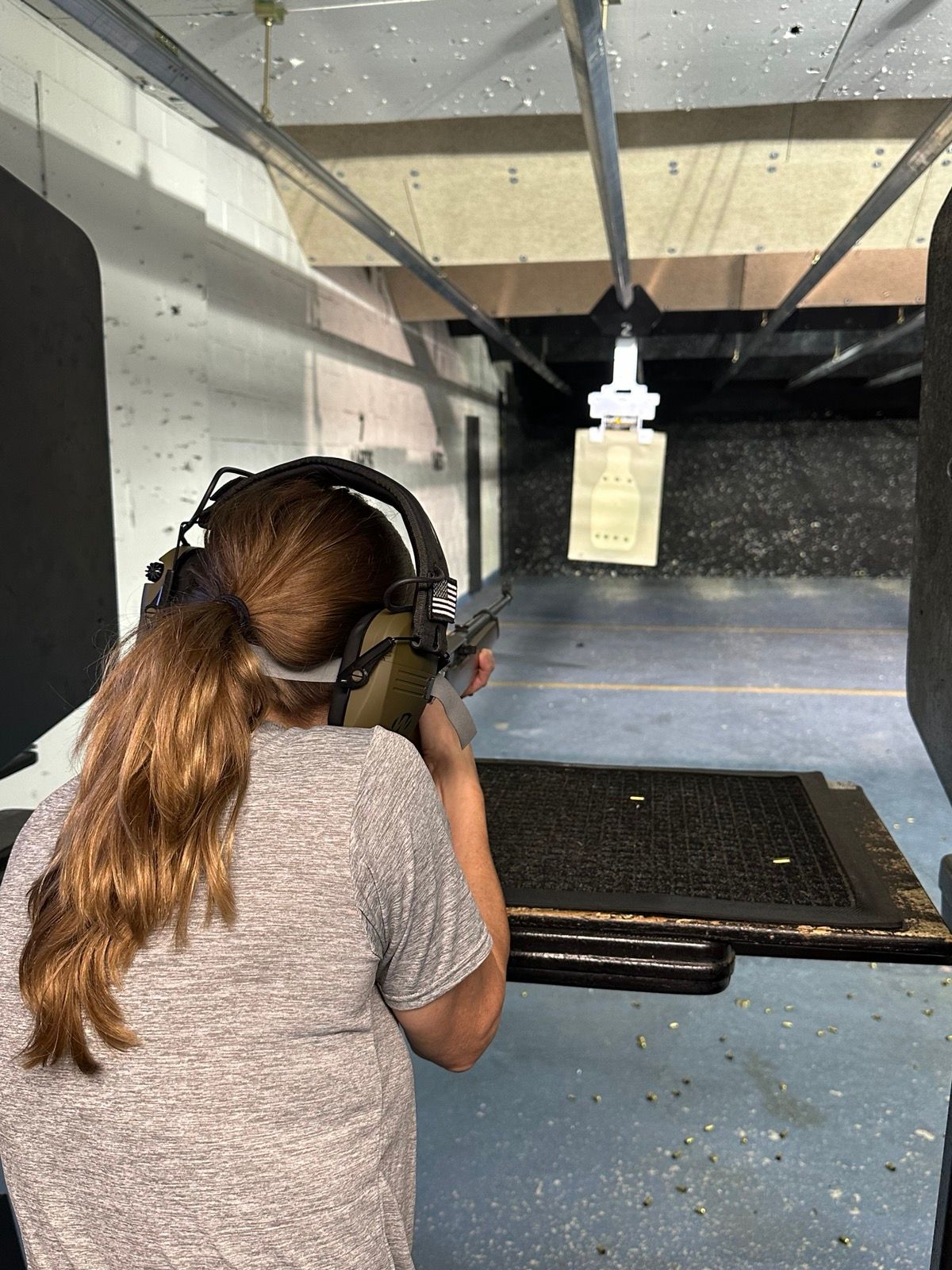
If you spend any time on a public shooting range, you’ve seen "Range Theater." It’s the guy in the next lane, standing perfectly still, taking ten seconds to line up a shot on a static paper target at fifteen yards. He fires one round, checks his group, and waits another thirty seconds. While this might be a relaxing way to spend a Saturday, it has almost nothing to do with surviving a violent encounter on the street.

When people think about self-defense, their minds usually jump straight to the "action" movie scenes, the tactical reloads, the perfect stance, or the high-speed maneuvers. There is a common misconception that being prepared means being ready to jump into the fray. But if you’ve spent any time in a high-stakes environment or professional security, you know the truth is much quieter.
The most effective "weapon" you can carry isn't in a holster; it’s between your ears.

Navigating the landscape of New York State gun laws can often feel like an uphill battle. If you’ve spent any time looking at the penal codes lately, you know that the rules aren’t just complex, they’re constantly shifting. One day you’re reading about a new "sensitive location," and the next, you’re hearing about updated recertification timelines. It’s enough to make even the most responsible gun owner feel like they’re walking through a legal maze without a map.

Navigating the world of firearm ownership in New York can often feel like an uphill battle. Between the changing laws, the detailed applications, and the sheer weight of responsibility that comes with carrying a concealed weapon, it’s easy to feel a bit overwhelmed. We get it. Whether you are a concerned citizen looking to protect your family or a retired officer keeping your skills sharp, the foundation of everything we do starts with four simple, yet profound, rules.

Well-Taught, Well-Trained
Safety always comes first. We teach proper firearm handling to help prevent accidents and encourage responsible ownership.