




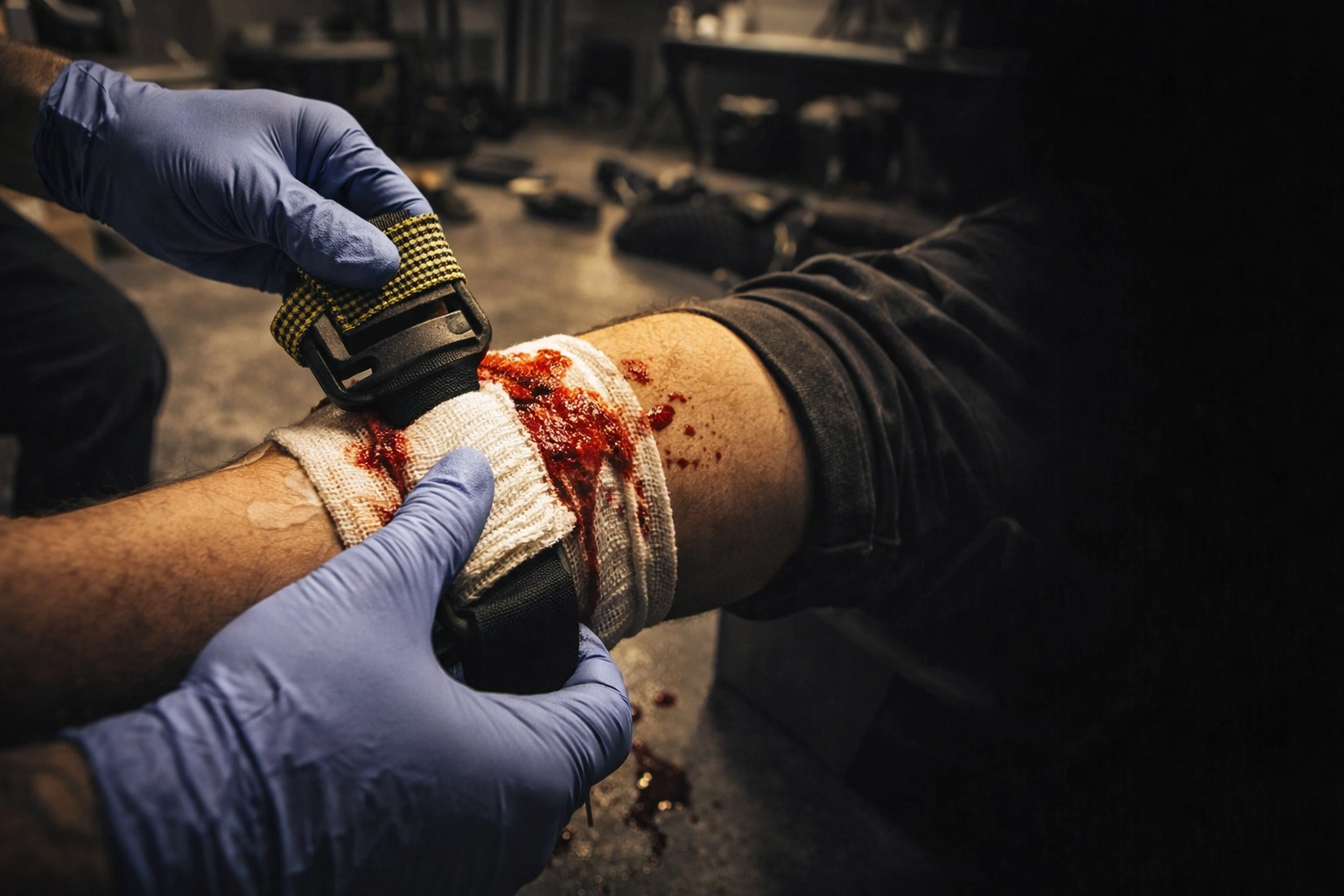
You are standing in the middle of a chaotic scene. Your heart is hammering against your ribs, your palms are sweaty, and the air feels thick. Someone is injured, and they are looking at you for help. In that split second, the "uphill battle" of managing a medical emergency begins. Without a plan, your mind will race, and your hands might freeze.
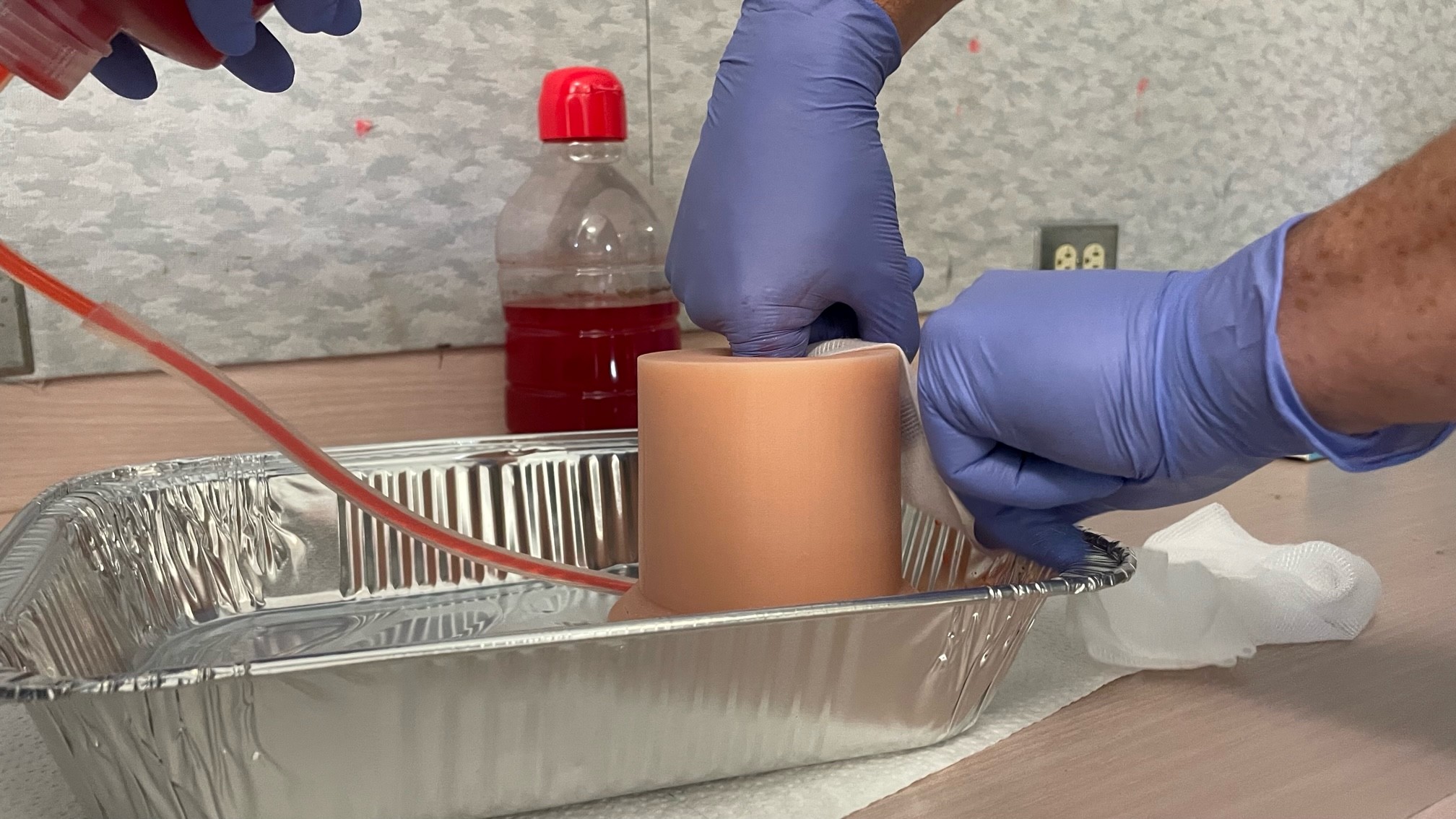
Let’s be real for a second. If you’re reading this, you probably spend a decent amount of time thinking about self-defense. You’ve probably researched the best holster, spent hours at the range working on your draw, and maybe even debated the merits of red dots versus iron sights for weeks. But here’s the uncomfortable truth: you are statistically much more likely to use a tourniquet than you are to use your firearm.
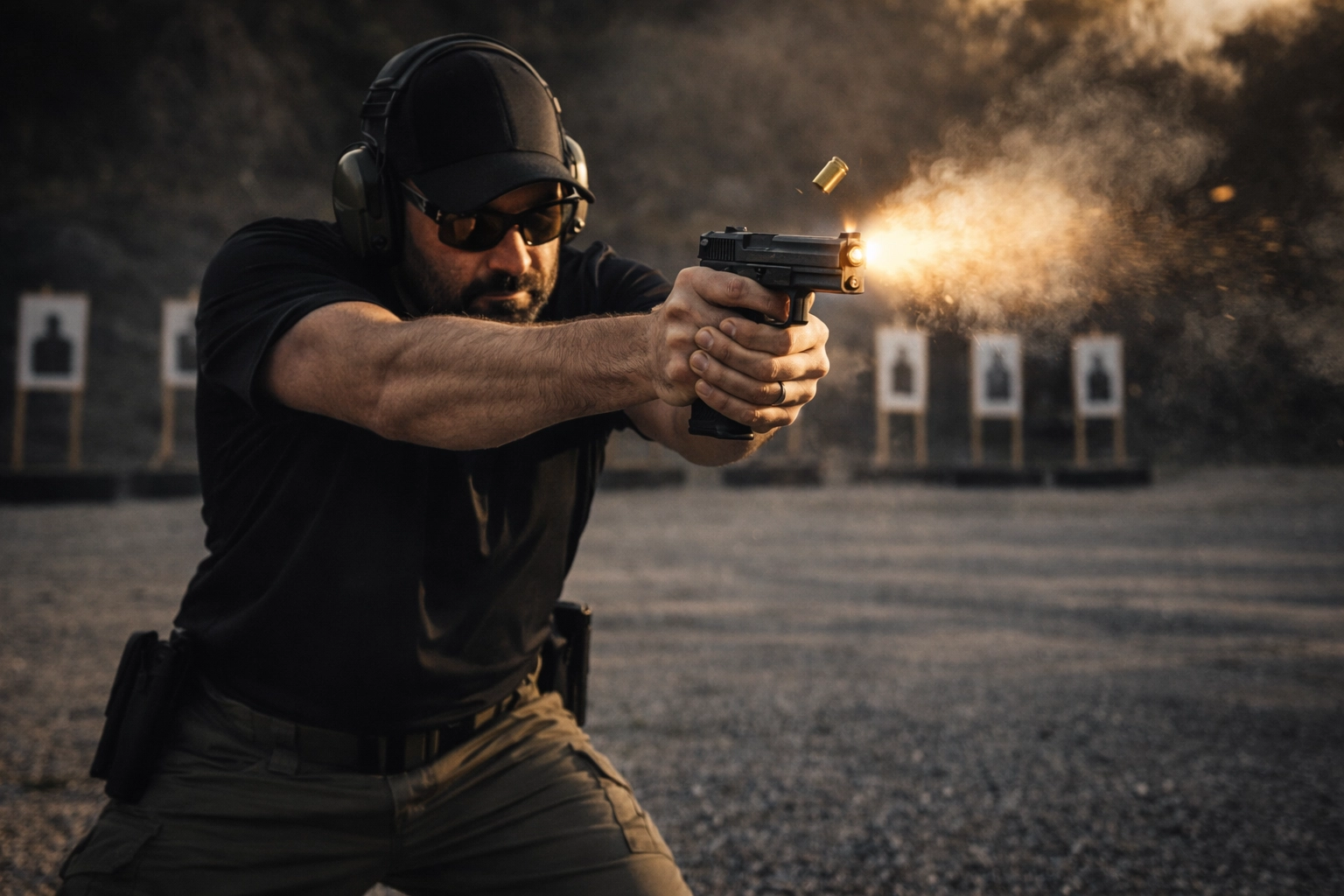
You’ve done the work. You found a solid stance that balances your weight. You’ve locked in a master grip that tames the recoil of your handgun. Your sight alignment is crisp, and you’ve just executed a perfect, smooth press to the rear. The gun goes bang.
If you’re a New York resident looking to exercise your Second Amendment rights, you’ve probably realized that navigating the legal landscape feels like an uphill battle. Between shifting regulations and the administrative maze of the permit process, it’s easy to feel overwhelmed. One of the biggest hurdles, and most crucial steps, is the mandatory NYS 18-Hour Concealed Carry Firearm Safety Training.
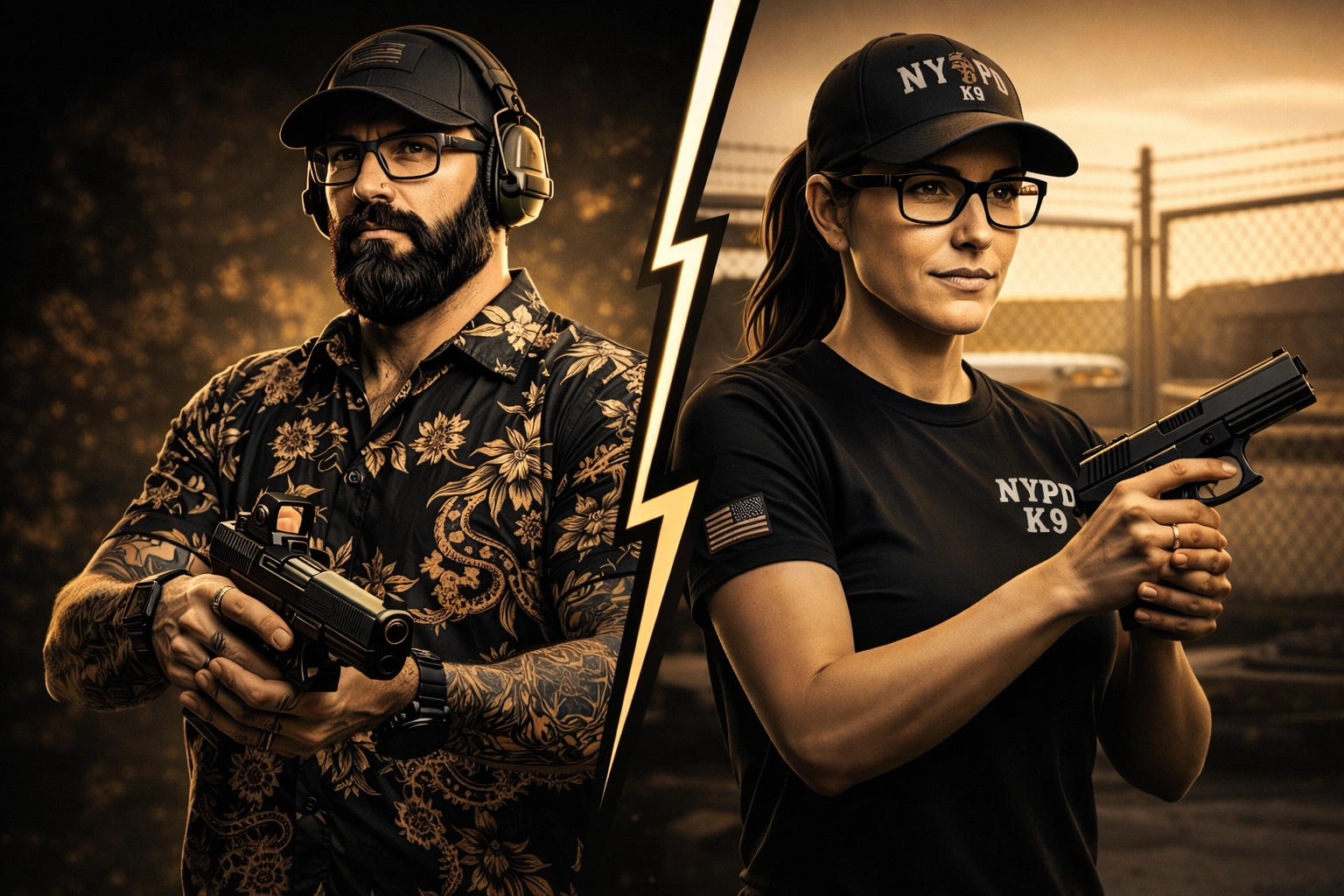
If you walk into our training facility at Mariners Cove, 3615 Oceanside Road, Oceanside, NY, you’re likely to hear a recurring debate. It’s the "Coke vs. Pepsi" of the firearms world, and it divides even the best of friends. We’re talking about Red Dot Sights (RDS) vs. Iron Sights.

Well-Taught, Well-Trained
Safety always comes first. We teach proper firearm handling to help prevent accidents and encourage responsible ownership.